

APPRENTICESHIPS

Discover your next step
At least 20% of your apprenticeship is spent on training and development

Hire the next generation
Learn how apprentices can benefit your business

Find your perfect role
Browse current apprenticeship vacancies and find the right opportunity for you
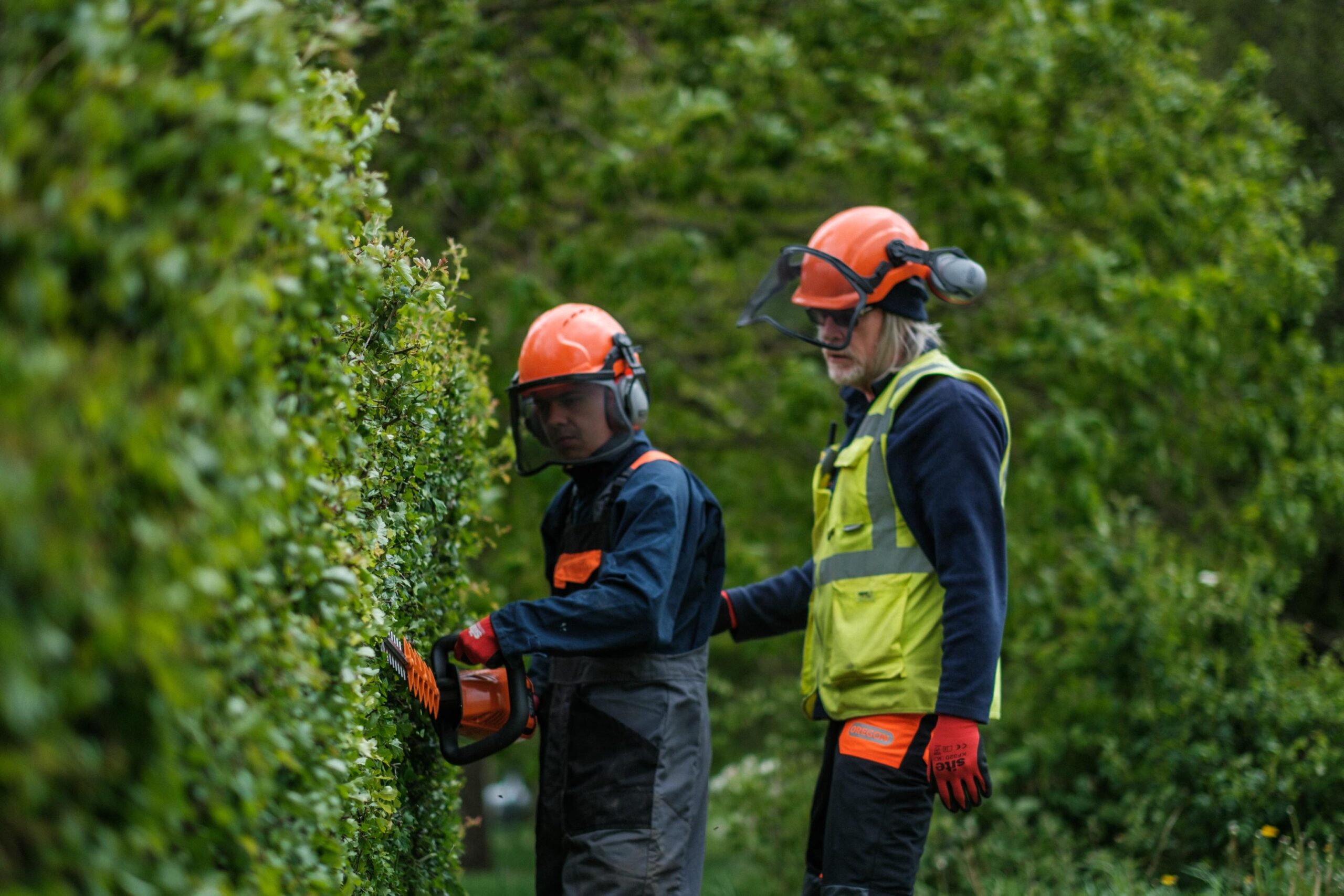
Benefits of an apprenticeship
An apprenticeship is a great way to learn, gain experience and work towards your future career goals.
- Build valuable industry connections
with employers and professionals within the industry - Earn while you learn
with a salary
- Gain practical experience
in the workplace alongside fully-trained employees - Improve your future career prospects
with most graduates entering directly into the workplace or further training
- Achieve a recognised qualification
alongside your job - Develop in-demand skills
for your chosen career
Apprenticeship FAQs
Got questions? Find the answers below.
Yes, as an apprentice, you’ll usually be employed to work a minimum of 30 hours per week and be paid a wage no less than the current national minimum wage for the time you are in work and in off-the-job training.
The amount you are paid is based on a number of factors including your previous experience and current skill set. In some job roles, your wage may increase as you progress and take on more responsibility. You will also receive the same benefits as any employee, including holiday pay.
The hours you work will be set by your employer, most employers hire apprentices for around 40 hours per week. The maximum amount of hours for an apprentice aged over 18 is 48 hours.
Apprenticeships are open to anyone who is aged 16+, has a right to work in England, and is not in full-time education. There is no upper age limit and they are available to anyone – whether starting out in their career, or looking at progression.
When applying for an apprenticeship vacancy, remember you could be competing against a wide range of applicants, so make sure your CV or application is the best it can be.
There are several ways to find an apprenticeship that matches your career goals. The process is often similar to applying for a job, so it is important to give yourself the best possible chance of success.
1. Browse our current apprenticeship opportunities
We work with a wide range of employers who recruit apprentices throughout the year. Visit our apprenticeship vacancies page to view current opportunities and apply.
2. Register with our Apprenticeship Talent Bank
We are committed to helping you achieve your career goals. If you can’t find the type of apprenticeship you are looking for, you can register with our Talent Bank. We will keep you informed about new vacancies and add you to our apprenticeship newsletter mailing list, where you will receive useful tips, advice and information about upcoming events.
3. Search the GOV.UK apprenticeship vacancy website
You can also search and apply for live vacancies through the government’s Find an Apprenticeship service. This allows you to look for opportunities by industry, location or level.
4. Check company websites
If there is a particular company you would like to work for, it is worth checking their website or social media channels to see whether they offer apprenticeships. You can usually find this information on their vacancies or careers page.
5. Contact employers directly
If you cannot find any apprenticeship opportunities advertised, it may still be worth contacting an employer directly. A phone call or email asking whether they would consider taking on an apprentice can show initiative and enthusiasm. Many employers value this proactive approach.
6. Already employed?
If you are already in work and interested in starting an apprenticeship, the first step is to speak to your employer. Many employers are happy to support staff development, especially where it benefits the business.
We can then speak with your employer to make sure they understand what is involved in supporting you through an apprenticeship programme.
Our Apprenticeship Team can talk through everything your employer needs to know. Call 01273892127 or email business@plumpton.ac.uk.
Modern apprenticeships can support progression all the way to higher and degree-level study. However, the level of an apprenticeship is determined by the job role and responsibilities involved, not simply by the qualifications you already hold. This means you may still be able to take an apprenticeship at a lower level if it is appropriate for the role.
Apprenticeship levels are broadly equivalent to:
Level 2 – Intermediate: GCSEs
Level 3 – Advanced: A levels
Level 4 – Higher: Foundation degree
Level 5 – Higher: Foundation degree or the first year of a bachelor’s degree
Level 6 – Degree: Bachelor’s degree
Level 7 – Degree: Master’s degree
English and maths are important for your long-term career development. If you are aged 18 or under and do not already hold the required qualifications, you will need to work towards English and maths as part of your apprenticeship. You will be supported throughout by our specialist tutors. If you are aged 19 or over, you will not usually be required to complete English and maths qualifications as part of your apprenticeship.
Functional Skills qualifications
Functional Skills are essential English and maths qualifications that help learners develop the practical skills needed for work and everyday life. They are nationally recognised qualifications and can provide a suitable route for meeting the entry and completion requirements of an apprenticeship.
Functional Skills are available from Entry Level 1 to Level 2, with Level 1 and Level 2 qualifications offered to apprentices where appropriate.
Apprentices aged 18 and under who have not already achieved GCSE grade 4/C or above, or an equivalent qualification in English and/or maths, will be required to work towards Functional Skills as part of their apprenticeship.
Once you have completed the practical training element of your apprenticeship, you will take an independent assessment called an end-point assessment (EPA). This is carried out by an organisation external to Plumpton College.
The EPA is your opportunity to show that you can perform effectively in your chosen occupation by demonstrating the knowledge, skills and behaviours you have developed throughout your apprenticeship.
Each apprenticeship has its own assessment methods, but all EPAs are designed to assess your overall competence and confirm that you are ready to work in your role.