
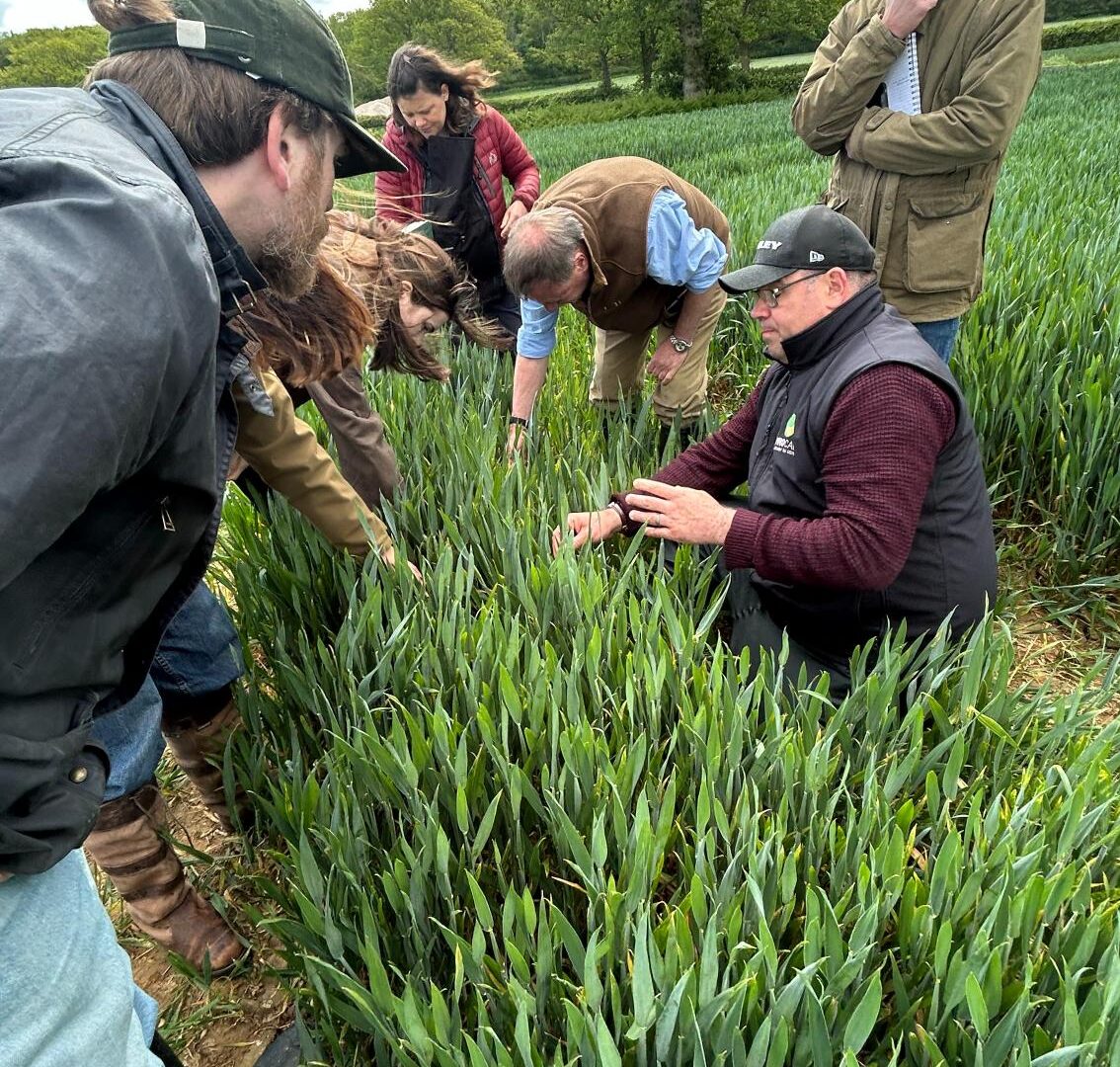
land management
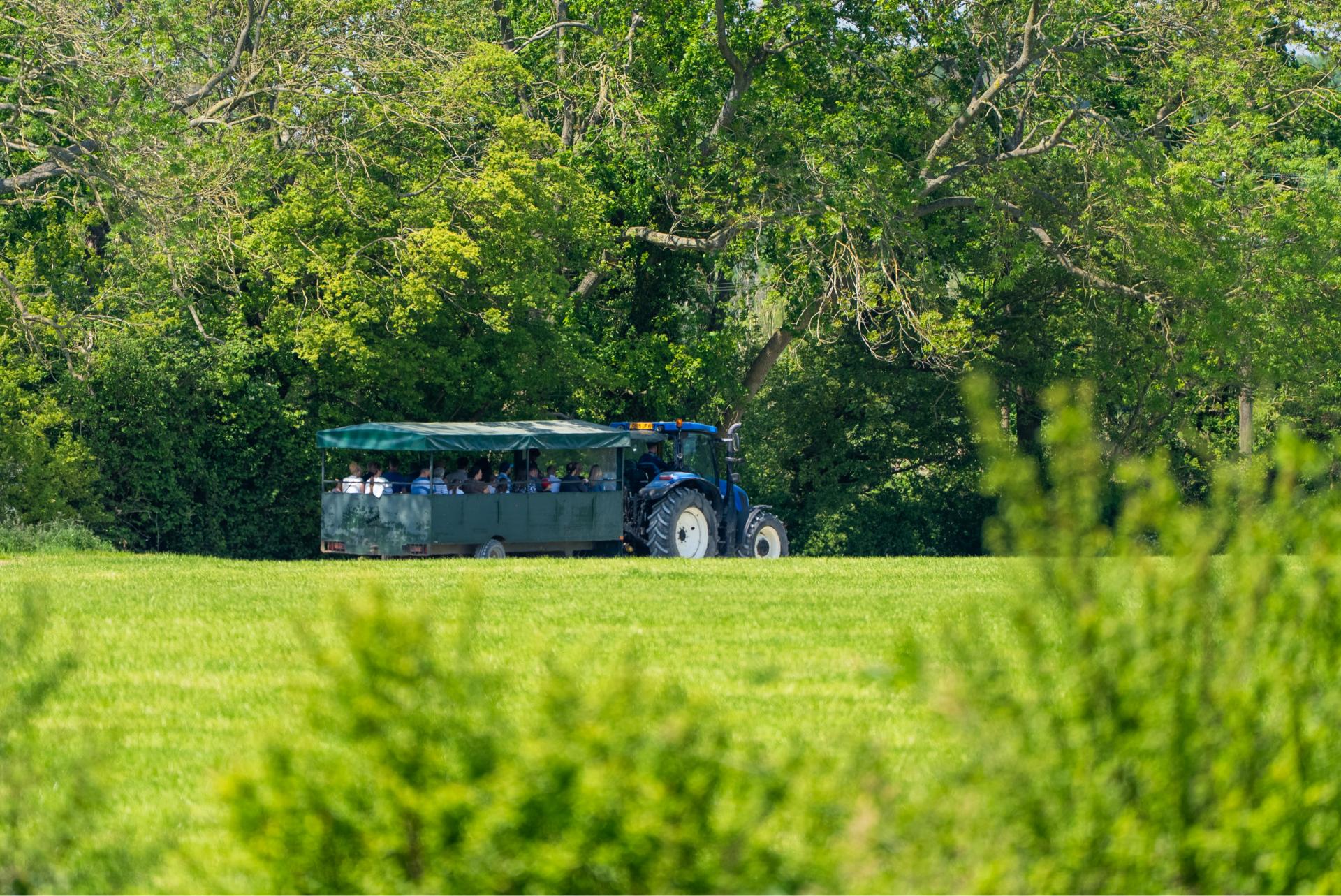
-

Food for Thought: Inspiring Action for a Fairer Food Future
More than 90 attendees joined Plumpton College’s Agrifood Centre for the second Food for Thought conference, bringing together voices from government, education, food, farming and community organisations to explore the connected challenges of food education and food inequality. Part of Plumpton College’s growing programme of industry and thought leadership events, the conference provided a platform…
-
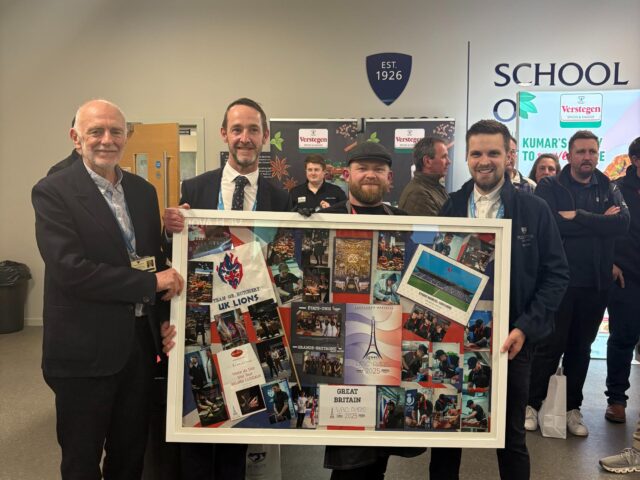
Butchery Showcase and Meat Product Awards celebrates craftsmanship and innovation
The butchery industry gathered on 11 March for our annual showcase and awards ceremony, which placed a special focus on development and innovation.
-
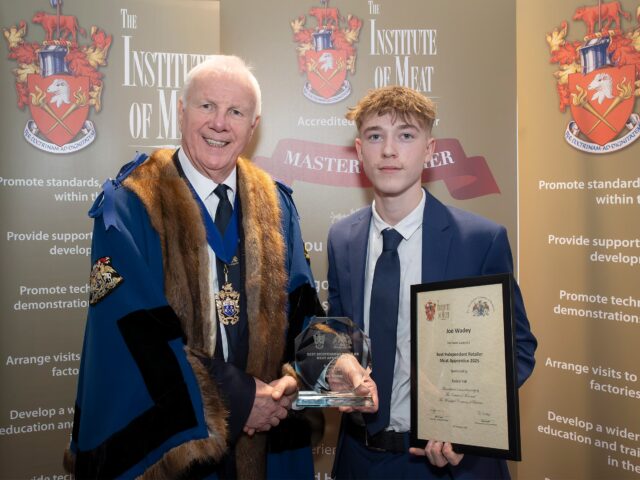
Plumpton Butchery Apprentice Named One of UK’s Best at London Awards Ceremony
Plumpton College is proud to announce that their butchery apprentice Joe Wadey has been crowned Best Independent Retailer Meat Apprentice at the national Institute of Meat (IoM) and Worshipful Company of Butchers Annual Prizegiving.
Why Study Land Management at Plumpton College?
Discover inspiring courses, supportive tutors, and real opportunities that prepare you for university, employment, and beyond.
- Learn on a working land-based estate
Study in a diverse practical environment with 800hectres of land to explore, manage and study. The Plumpton Estate includes working farmland, ancient semi-rural woodland, chalk downland and a range of valuable habitats. - Gain practical experience alongside academic knowledge
Our courses are designed to connect theory with practice. Depending on your programme, you may undertake fieldwork, habitat surveys, estate management activities, practical land-based projects, GIS work and work placements.
- Study a RICS-accredited rural land and business degree
Our BSc (Hons) Rural Land & Business Management is accredited by RICS, providing professional recognition and a potential pathway towards a career as a Chartered Surveyor, subject to meeting the relevant requirements. - Learn from industry-informed course content
Our land management courses reflect the skills and knowledge employers need, from rural business and valuation to conservation, climate resilience, habitat monitoring and sustainable land use.
- Benefit from strong sector connections
Plumpton works with employers, professional bodies, conservation organisations and industry partners. Students may gain insight into different career routes through guest speakers, placements, projects and professional engagement. - Choose a study route that works for you
Whether you are starting out, changing career, already working in the sector or looking to progress to university-level study, you can choose from full-time courses, degrees, part-time learning and apprenticeships.