
Course overview
If you are looking to top-up your degree to help you on your career journey working in animal conservation, then this is the ideal course for you. On our immersive degree programme, you will learn about the latest scientific techniques and technological advancements in the field of animal conservation, with a focus on how these approaches are being used to ensure the long-term protection of animal species in captivity and the wild.
Embarking on this course will enable you to critically explore the historical, current and emerging threats to wild animals and natural ecosystems, with an emphasis on the key issues impacting global biodiversity. You will also gain applied understanding of the practical solutions currently being employed by conservationists to prevent animal extinction, from the importance of captive breeding programmes in zoos to the effectiveness of satellite monitoring of animal species in the wild.
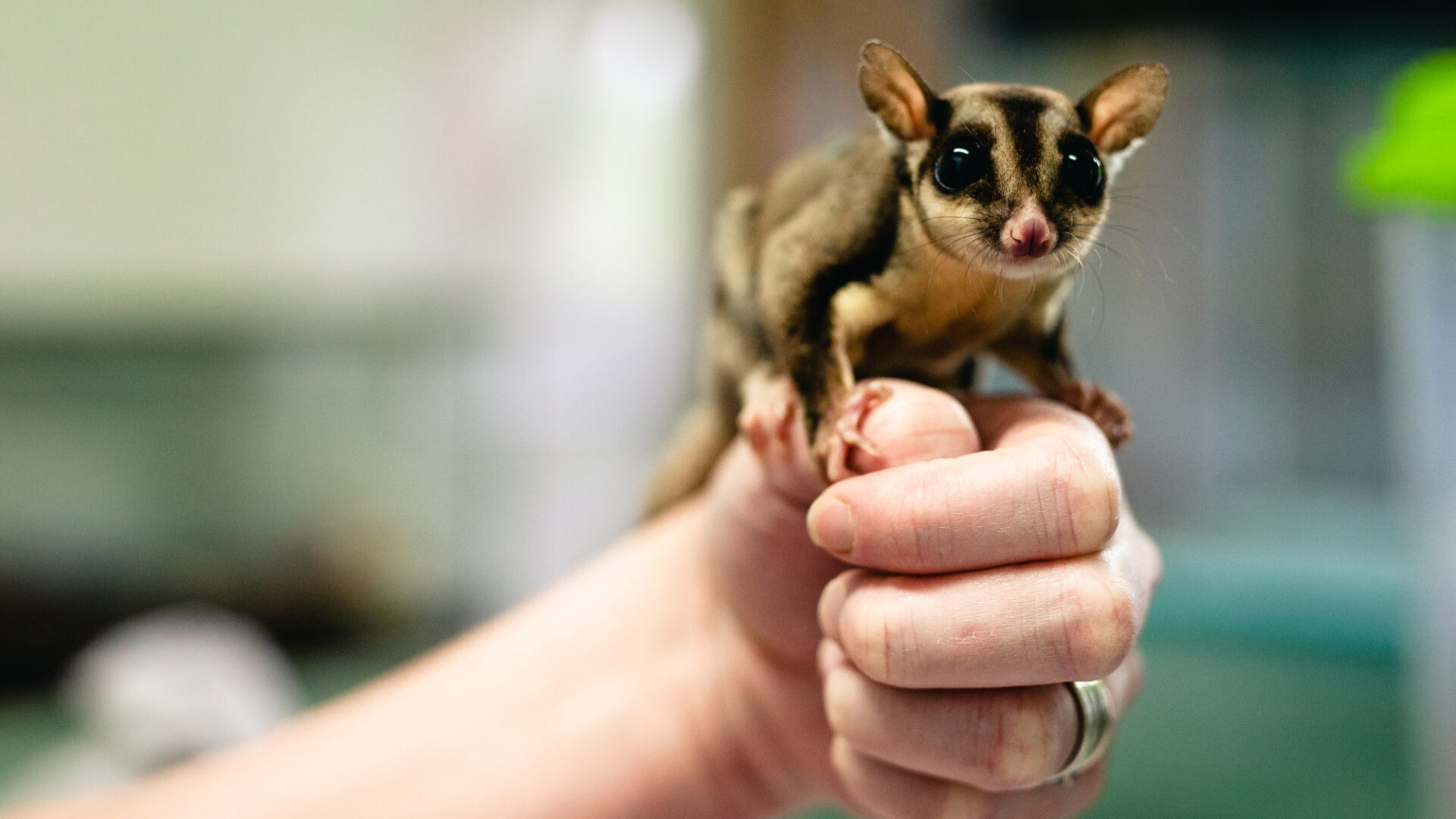
At Plumpton College, you will benefit from working directly with a wide variety of animal species at our Animal Education Centre, enhancing your animal husbandry skills and furthering your knowledge of different conservation practices in the zoo environment. You will have an excellent opportunity on this programme to develop your industry awareness and professional network, through participating in a range of engaging field trips and external visits. Our industry-focused degree programme has been designed to help you develop the applied skills and technical knowledge you’ll need to progress and be successful in a variety of roles within the field of animal conservation, including opportunities in the zoo and wildlife sectors.
Equip yourself with an applied understanding of global conservation issues and develop a critical understanding of the tools and solutions being used to tackle these challenges.
Advance your technical skills in animal husbandry and knowledge of captive conservation approaches, working with over 100 species at Plumpton’s Animal Education Centre.
Study in the heart of the South Downs National Park, with access to a range of protected habitats on Plumpton College’s 800-hectare estate.
Develop your industry awareness and professional network, through participating in a range of immersive field trips and visits to zoological collections.
Modules
Year 1 Students are required to study the following compulsory modules.
Advanced Animal Husbandry and Management (15 credits) Public Engagement, Education and Communication (15 credits) Reintroduction and Rewilding Science (15 credits) Research Project (30 credits) Animal Ecophysiology and Climate Change (15 credits) Advances in Zoo Science and Conservation (15 credits) Human-Wildlife Conflict and Co-existence (15 credits)
How will I be assessed?
A diverse range of summative assessment methods are integrated into the programme to provide an engaging and inclusive experience for learners. Some key methods include reports, essays, case studies, presentations (oral and poster), project work, portfolios and practical assessments. All assessments have been designed to be industry-relevant, and where possible, reflective of real-world scenarios and working practices.
Some assessments will have a student-led design element, enabling learners to negotiate with the module leader on how they undertake their work. Equally, assessments will provide students with flexibility in terms of the case studies or examples they chose, enabling you to explore your own personal and professional interests via your studies. Across all modules on the programme, formative assessment approaches are also utilised to support reflective practice and encourage personal improvement. This includes the use of peer-assessment activities, mock examinations, quizzes, role play activities and examination of model answers.
Progression routes
Graduates from the course will be equipped to pursue careers in the following areas of employment with the animal conservation industry:
-
- Animal education
-
- Biodiversity management
-
- Ecological consultancy
-
- Nature recovery and Climate change resilience
-
- Policy and advocacy
-
- Rewilding and habitat restoration
-
- Wildlife Surveying and monitoring
-
- Wildlife tourism
-
- Wildlife Management
-
- Zoological collection management
-
- Zoo education and engagement
- Zoo conservation and science
In addition, graduates could choose to further specialise at postgraduate level, across a range of disciplines within zoology and conservation.
Start dates
Not ready to apply?
Register your interest