Animal Rehabilitation Therapies at Plumpton College
Your state-of-the-art centre for canine hydrotherapy and physiotherapy in the South East
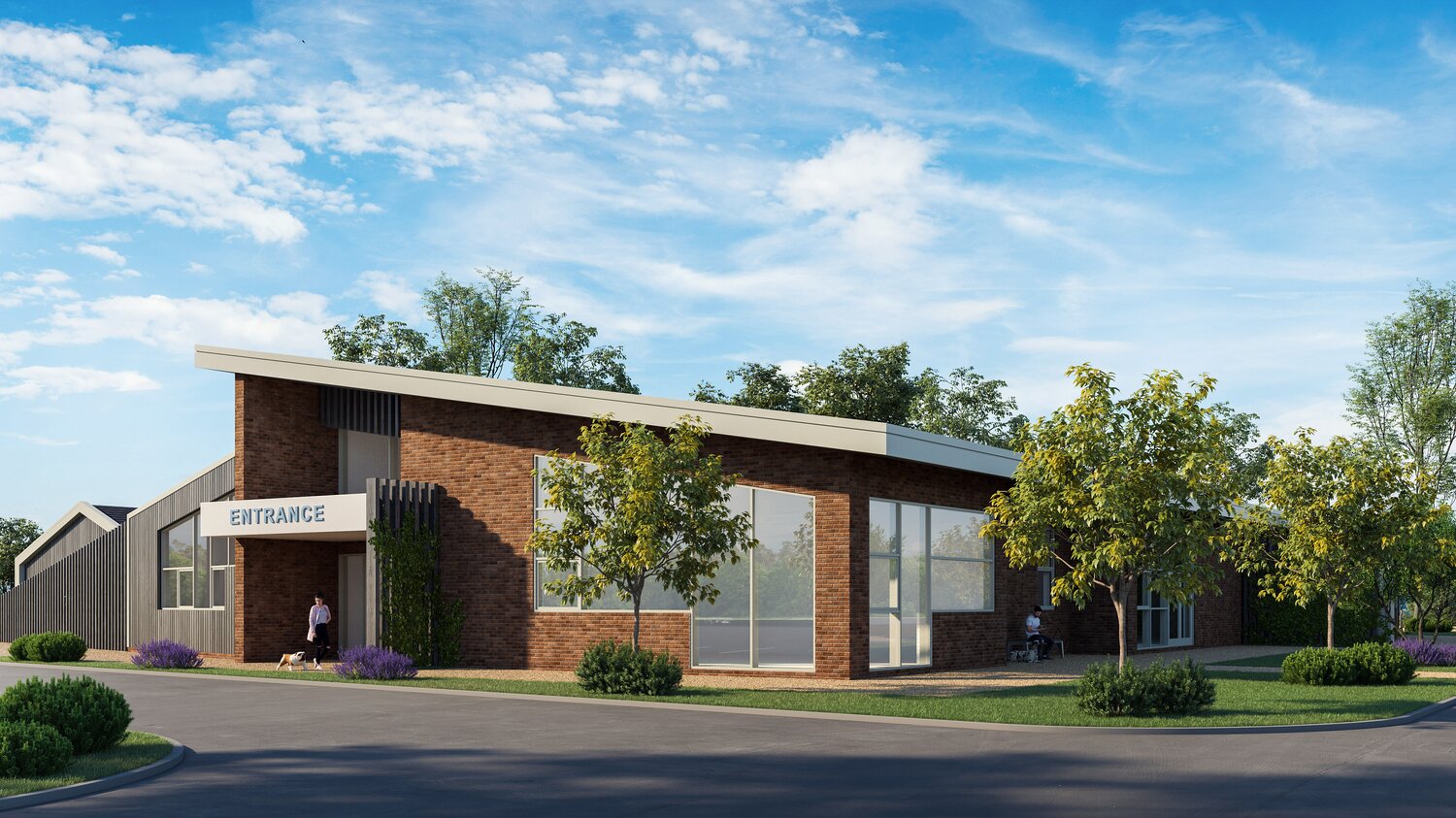
Opening in Spring of 2025, the Veterinary Studies Centre at Plumpton College offers clients expert rehabilitation and treatment options for dogs of all ages, abilities and breed.
- Services we offer
- Our state-of-the-art facilities
- Meet our expert team
- Information for Veterinary Practices
- Terms & Conditions
Services we offer
Hydrotherapy sessions
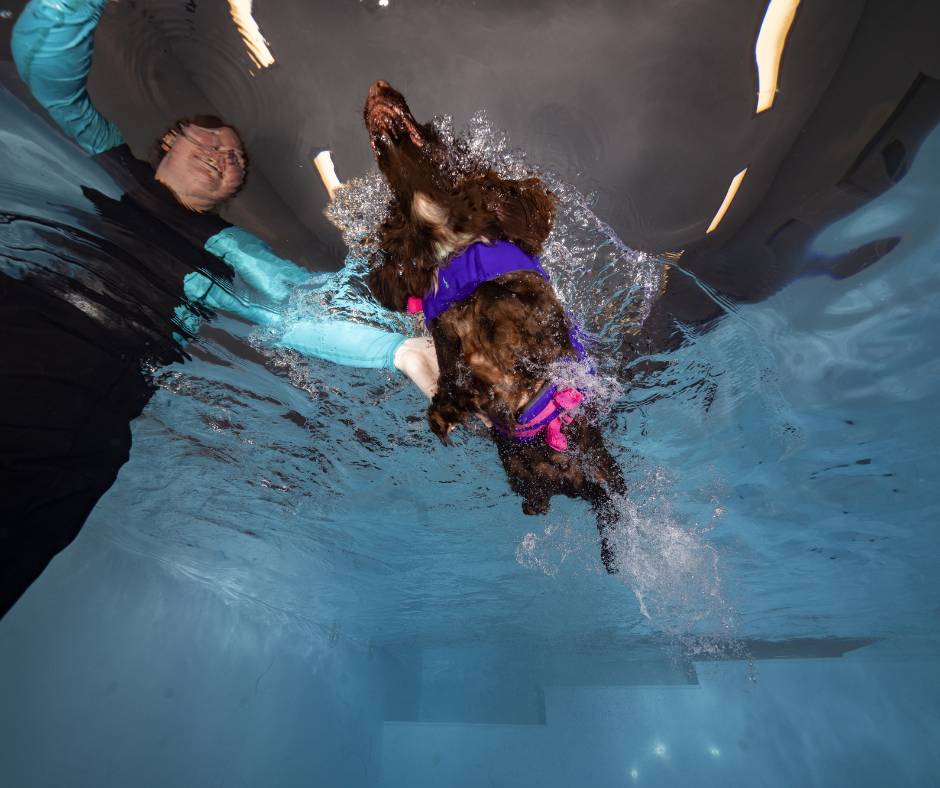
Hydrotherapy is an effective way to rehabilitate and manage certain conditions for pets. It is non-or-partially-weightbearing therapeutic exercise carried out in warm water to aid healing and improve the health and welfare of your dog or cat. It can be particularly helpful as a transition back to land-based exercise following injury or surgery, but also to help manage chronic conditions.
Hydrotherapy uses the beneficial properties of water such as:
- Buoyancy to encourage comfortable movement with less load on joints
- Hydrostatic pressure to help reduce swelling and boost circulation
- Warmth to aid muscle relaxation and increase circulation
- Resistance to help strengthen muscles and improve cardiovascular fitness
- Viscosity to help increase sensory awareness and stabilise your pet
Pets will spend approximately 30 minutes of their 45 minute session in the water, with the remainder being used for gait assessment, health checks, showering and fitting of harness/buoyancy aid prior to getting into the water. The hydrotherapist will clinically reason the amount and type of activity performed, as well as the length and frequency of rest periods, based on how your pet is doing that day. Movement is always monitored and controlled, and no animal will be in the water without a hydrotherapist. SOAP notes are written for every session and progress measures monitored, which will also be shared with your veterinarian.
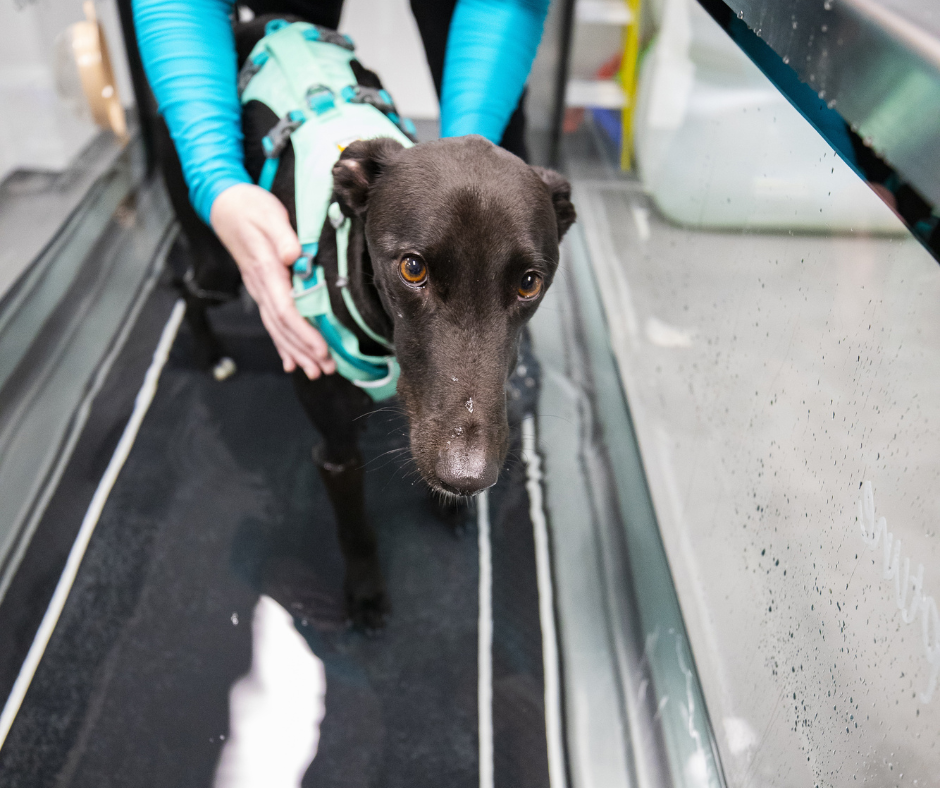
Hydrotherapy sessions are available in both our pool and our water treadmill. Throughout the session and wider treatment programme, we'll tailor equipment to your pets needs to best aid healing and rehabilitation.
Laser Therapy
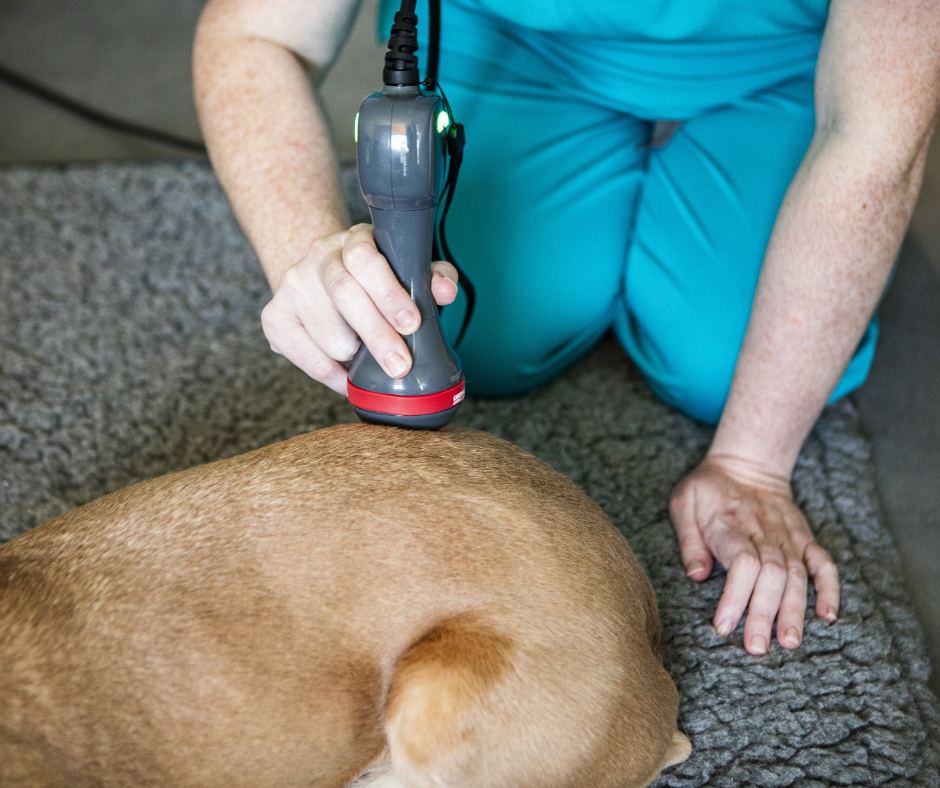
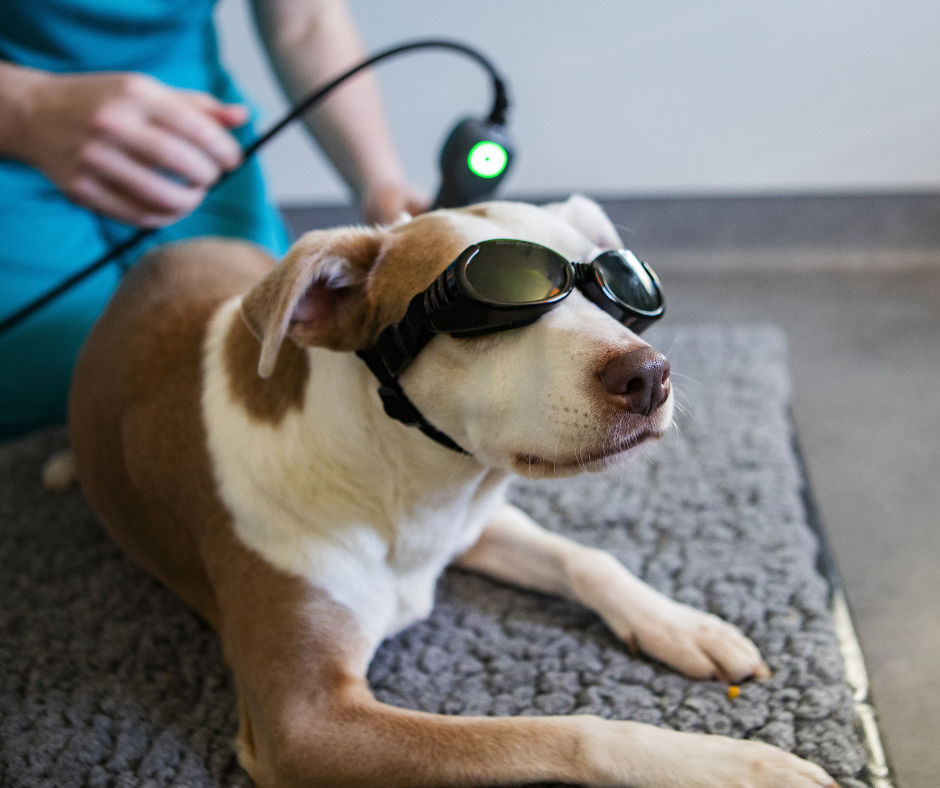
Laser therapy (also called photobiomodulation) uses specific wavelengths of light to reach damaged cells and tissues in your pet’s body and helps them to work better, speeding up healing and reducing discomfort. It is non-invasive and can be used alongside other treatments to support your pet’s recovery or maintenance of certain conditions.
Benefits of laser include:
- Pain relief
- Accelerate healing, reducing recovery times
- Reduce inflammation
- Boost circulation
Conditions that it can help:
- Joint problems such as osteoarthritis, hip or elbow dysplasia
- Soft tissue problems such as muscle strains, tendinopathies, ligament sprains
- Lick granulomas and wound healing
- Post-surgical pain
Sessions typically last 30 minutes and standalone laser sessions are available. If your pet is also attending for hydrotherapy, this can be carried out before their water-based session and may be included as part of physiotherapy sessions depending on your treatment plan.
Physiotherapy
Veterinary physiotherapy, sometimes shortened to vet physio, is a specialised branch of animal care focused on using physical therapy techniques like exercises, massage, and non-invasive electrotherapies such as laser and pulsed electromagnetic field therapy (PEMF). This can help animals to recover from injury, surgery, or manage chronic conditions through tailored exercise and treatments. It aims to improve mobility, reduce pain, and enhance overall wellbeing by speeding up recovery, preventing future injuries, and supporting long-term health, ensuring they stay active and comfortable.
For pets requiring both hydrotherapy and physiotherapy, we now offer a combined hydro-physio session to benefit from both modalities.
| Type of Session | Session Cost |
| Physiotherapy session (includes manual therapies, use of electrotherapies and home exercise prescription). | £65 for 1 hour |
| Hydrophysio combined session (for those patients requiring both modalities) | £65 for 1 hour |
Stance Analysis
A stance analyser is a mat with sensors inside that detects the distribution of weight through each of your pet’s legs when they are standing still. This allows us to see how they might be shifting their weight and to monitor their progress during treatment. It can also be useful to identify early signs of lameness, the reports of which can then be shared with your vet.
This service is included as part of your hydrotherapy and physiotherapy sessions, but should you wish to attend just for a stance analysis report this is option is available.
For information on pricing, please get in touch via email or telephone.
Our state-of-the-art facilities
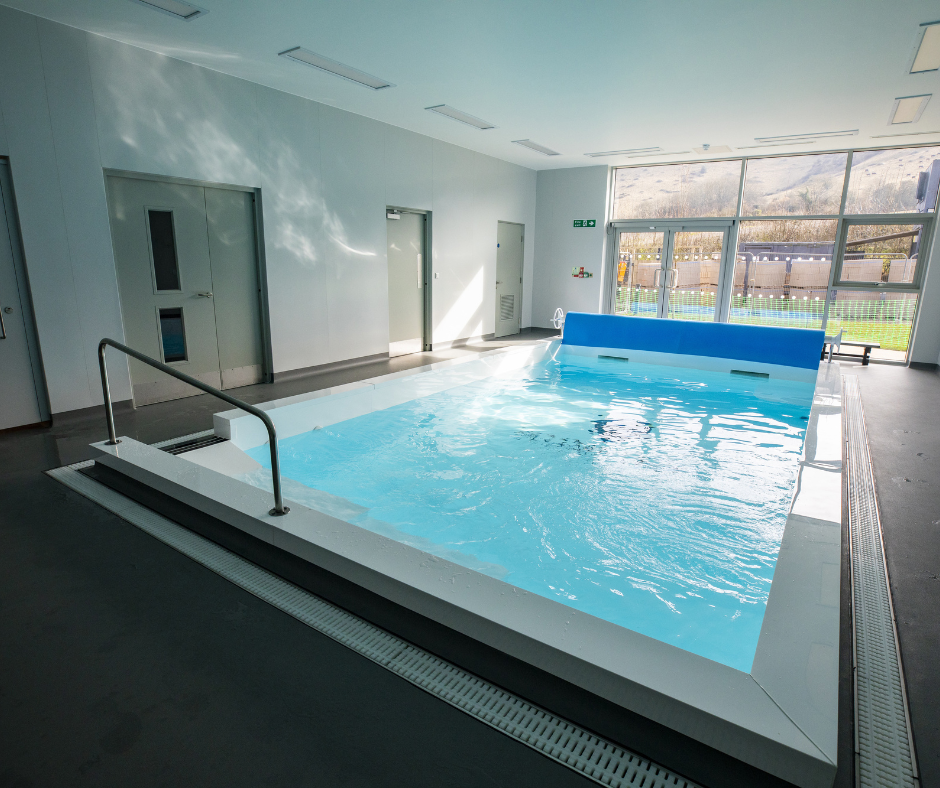
Our pool room includes a 7x4m in-ground pool, providing easy access for your pet to enter the water safely. Secure, flat resting platforms are positioned at varying depths in the pool to allow comfortable rest areas between active periods and whilst receiving treatment.
Our water treadmill, often referred to as an aquatic or underwater treadmill, is located separately from our pool in the neighbouring room, reducing the likelihood of your pet being distracted by another that might be swimming at the same time. The depth of the water will be adjusted specifically to your pet to carefully control the amount weight they are bearing whilst in recovery.
The water in both the pool and treadmill is heated to around 30°C and tested regularly throughout the day. We have a secure shower area where your pet will be rinsed before and after their session.
Meet our Expert Team
All sessions are led by fully qualified, registered hydrotherapists who have gained experience working with varied caseloads in a range of hydrotherapy centres including specialist referral hospitals and at leading animal welfare organisations. As registered canine hydrotherapists all staff will complete a minimum of 25 hours CPD annually. The wider department team also consists of registered veterinary nurses and veterinary physiotherapists.
Orla Strachan | MSc, RCH Hydrotherapist and Centre Manager | NARCH Registered
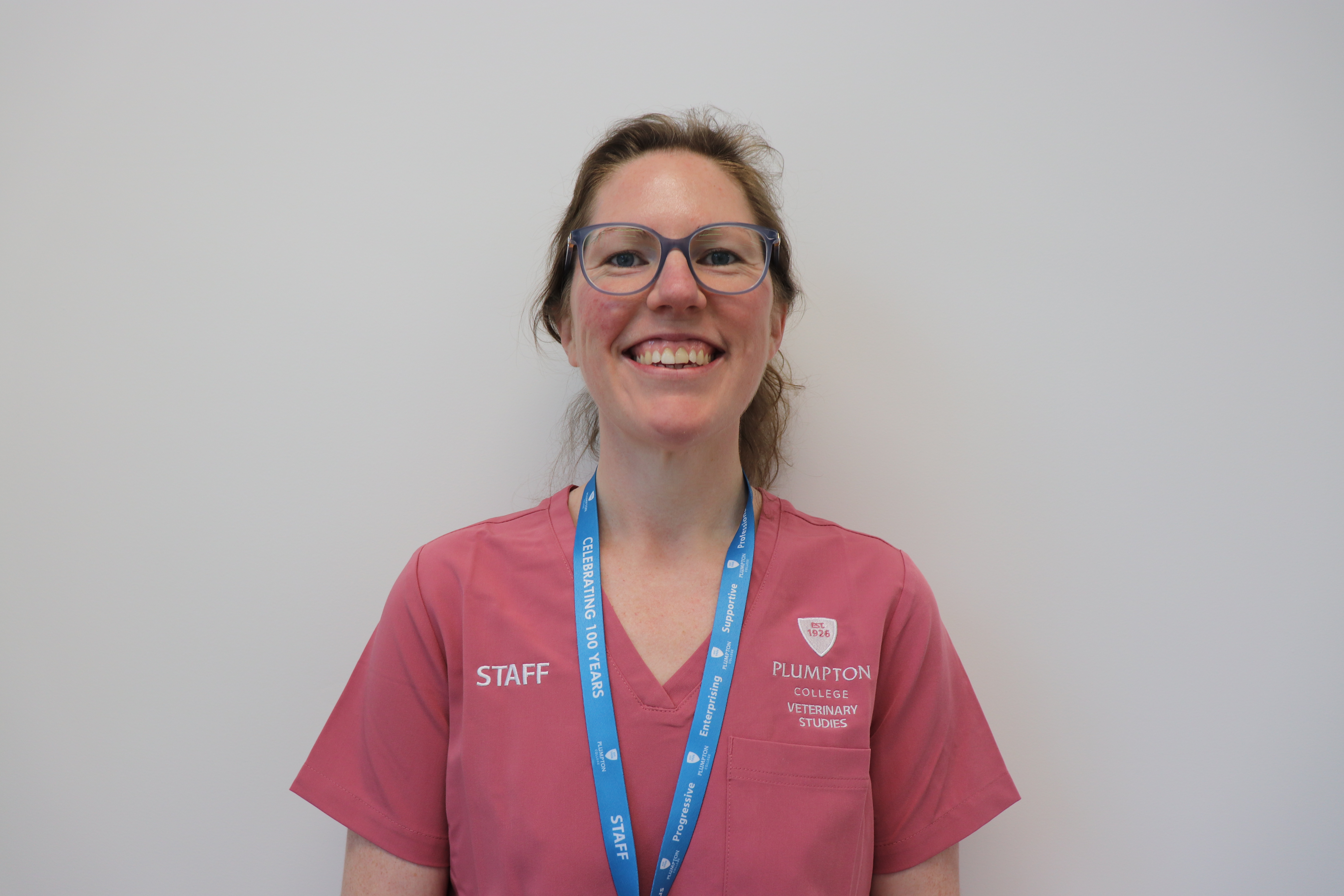
With experience spanning clinical practice and education, Orla has worked in land-based colleges since 2011, delivering and developing curriculum across animal-related subjects. Alongside her education role, she manages the centre and is a practising hydrotherapist, having gained experience with a varied canine and feline caseload in a range of settings including a leading referral hospital, animal welfare centre, and regional practices. She has a particular interest in supporting geriatric patients, helping them maintain comfortable mobility in their senior years, as well as post-operative patients. Her approach combines evidence-based practice with a calm, patient-centred manner to ensure each animal receives thoughtful, individualised care.
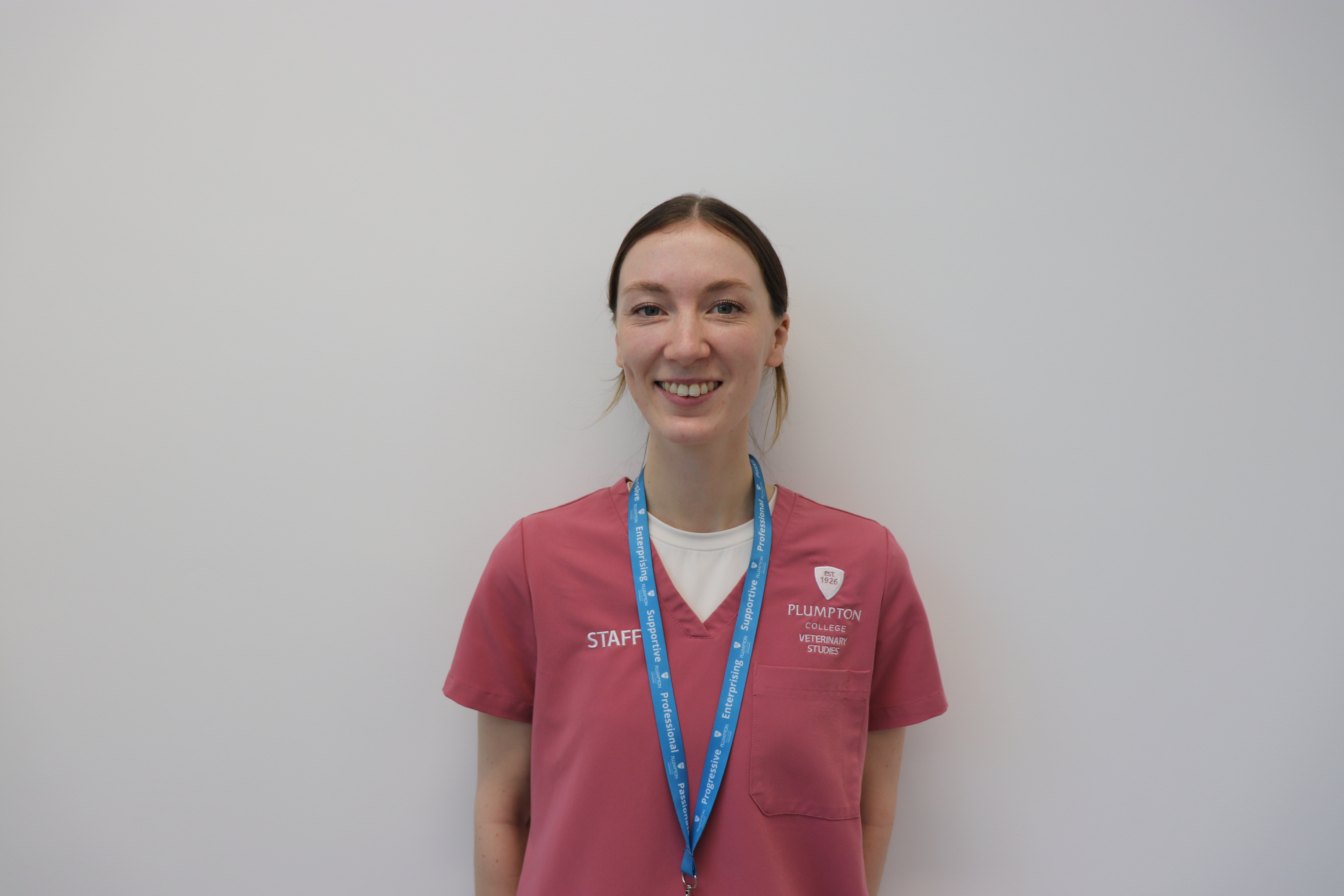
Nicki Lovegrove | iMSc Veterinary Physiotherapist and RCH Hydrotherapist | RAMP & NARCH registered
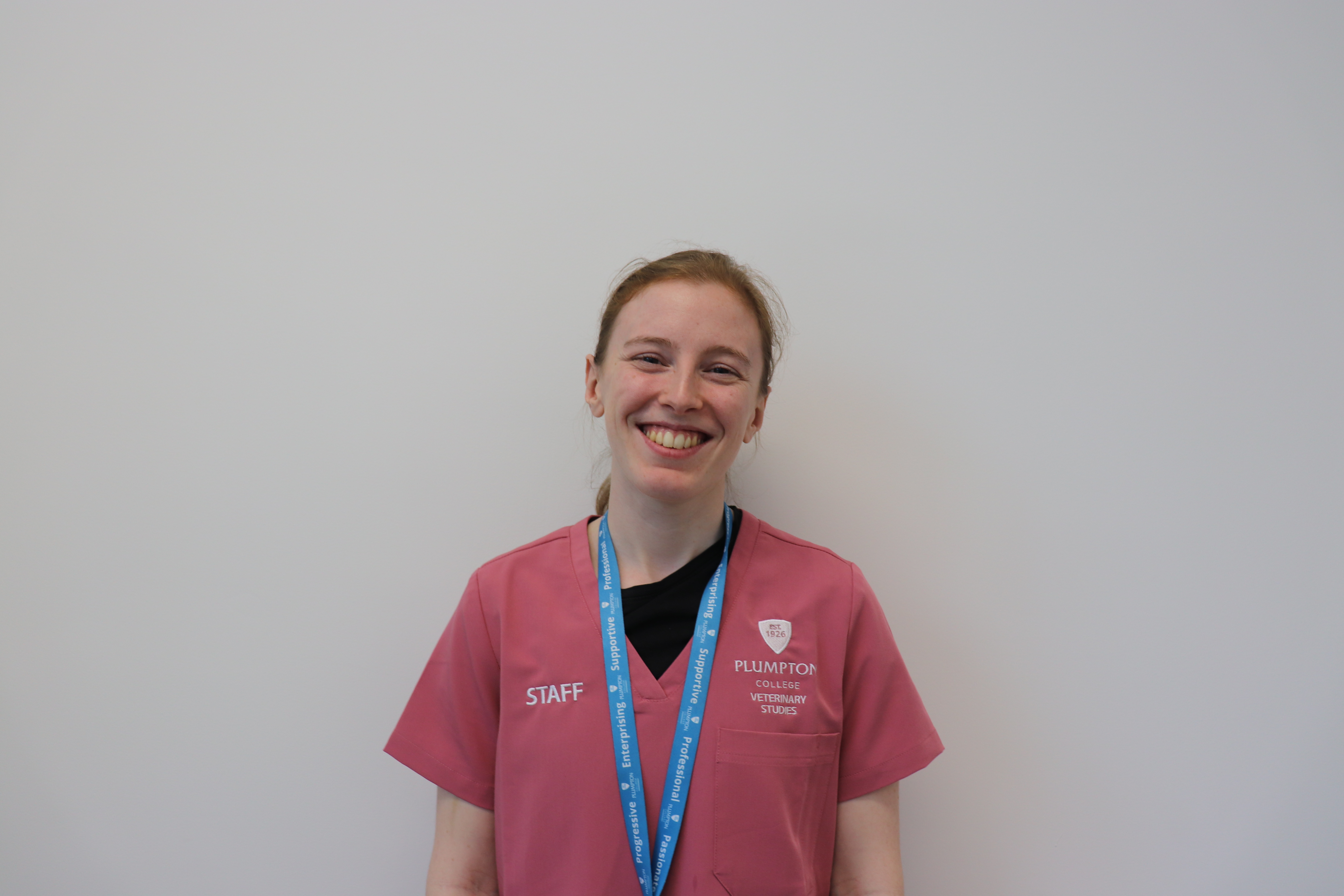
Nicki is a qualified veterinary physiotherapist and canine hydrotherapist with experience working with dogs, horses, and cats. She also practices as a hydrotherapist at a leading veterinary referral hospital, where she treats a wide variety of post-operative cases. Nicki has a particular passion for neurological rehabilitation and finds great reward in helping patients regain mobility and confidence as they learn to walk again.
Eden Seaborne | BSc (Hons) Veterinary Physiotherapist | MIRVAP & AHPR registered
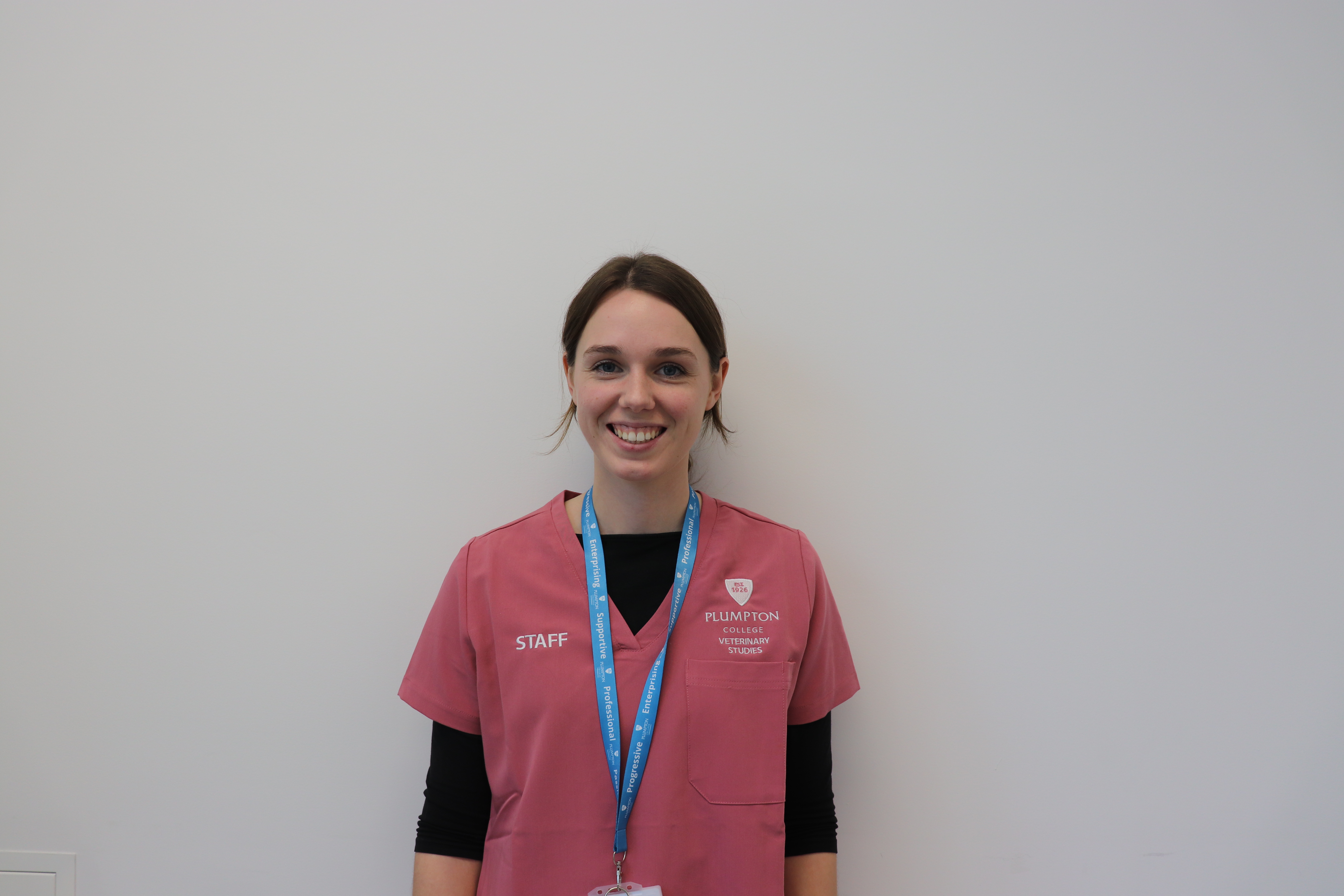
Eden is a canine and equine Veterinary Physiotherapist and EFHD Practitioner, working across Sussex and Surrey. She currently lectures on Plumpton College’s Veterinary Physiotherapy BSc (Hons) degree and supports the running of an equestrian rehab centre, as well as being the referral physio for a dog agility club. Having worked within multiple vet and physio clinics across the region, she is experienced in treating canine geriatric, orthopaedic and neurological conditions, both post-operatively and with conservative rehabilitation, as well as high performance and working dogs. She has a special interest in educating and empowering owners and professionals to understand their animals’ needs and have the confidence to support their pets and patients throughout their recovery.
Will my pet be used for training purposes?
As we provide hydrotherapy training, there may be times when students are observing sessions or assisting with treatment. We will always discuss with you prior to arranging any student interaction with your pet, to ensure both you and your pet are comfortable with this and that it is at the appropriate stage of their treatment. If students are assisting with your session, they will be fully supported and supervised by qualified, registered hydrotherapists throughout.
You will also be offered a discount if a student will be assisting with the session.
Will my pet be in the pool or water treadmill?
This will be based on your pet’s medical condition and any surgical treatment that they may have had. Your pet’s previous experiences, behaviour, breed and size will also be considered when using our clinical knowledge and experience to decide the best option for your pet. Sometimes a combination of both pool and water treadmill is used.
Can I get in the water with my pet?
We don't allow owners to join their pets in the water, however it is encouraged that owners remain at the pool/treadmill side with their pet. A viewing area is available to watch the pet's session should additional people attend the appointment. A qualified hydrotherapist will ensure they are safe throughout the session and perform their treatment.
Can I use my pet insurance to pay for sessions?
Many insurance companies provide cover for hydrotherapy, this may appear as a hydrotherapy section or under the ‘complementary’ treatment section of your policy. The number of sessions or amount of money that can be claimed will depend on the terms of your insurance policy, so it is best to call your insurer and ask for clarification.
Centre Information
Opening hours: 9am - 5pm
Free parking available onsite
Tel: 01273 892 026
Email: canine.therapies@plumpton.ac.uk
Book with us
Prior to your first appointment, we will need consent from your vet along with your pet’s medical history. Fill out the below form and we'll be in touch shortly.